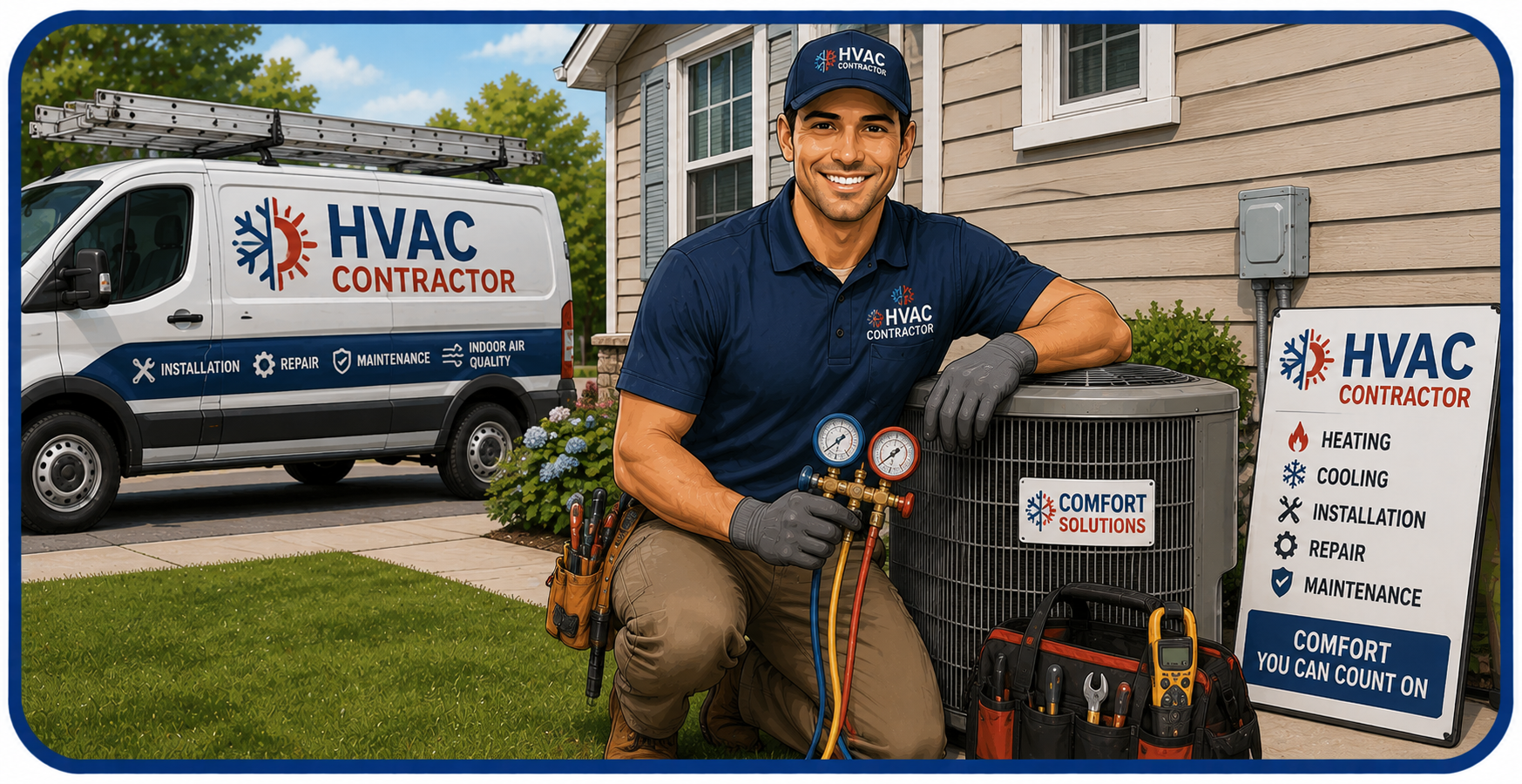
We fix what's broken, fast, and we don't disappear after the invoice. Emergency dispatch available across Ware and the surrounding zip codes.
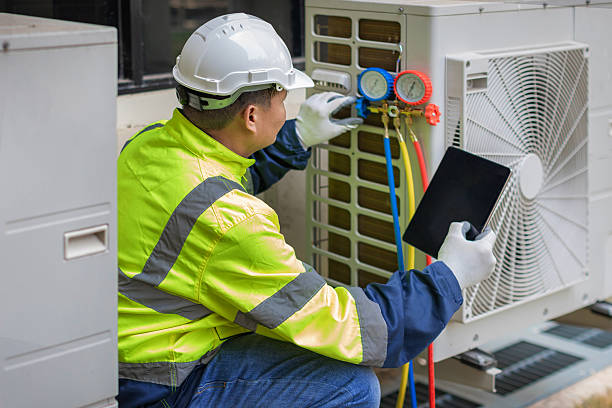
Our Ware dispatcher asks a few quick questions to gauge urgency and get you the fastest available window.
You'll get a flat-rate quote before any repair work begins — no guessing what the final bill will look like.
Warranty details are explained clearly so you know exactly what's covered going forward.
Leonard HVAC didn't start as a franchise chasing volume. Our crews carry manufacturer certifications across the major residential and commercial equipment lines.
We're not interested in being the cheapest quote on the page — we're the crew that answers the phone at 2am when your furnace quits in the middle of a cold snap. Licensing and insurance aren't optional line items for us, and we keep that documentation available on request for every job, routine or emergency.
Being local matters more than most companies let on. That local knowledge shapes how we diagnose problems — it's the difference between a tech who's guessing and a tech who's seen your exact situation a hundred times before.
Trust in this industry gets eroded fast, and it takes real consistency to earn it back. That's the gap we built Leonard HVAC to close. We'd rather lose a job to a lower bid than win one by cutting corners on the diagnosis, because a customer who trusts us once tends to call us again — and Ware is a small enough community that reputation travels fast.
When you call +1-866-805-8548, you're talking to someone who understands the local permitting process, the common equipment brands installed in Ware homes, and realistic scheduling given local demand. It also means faster escalation when something's urgent — a local dispatcher can reroute the nearest truck in minutes, not hours.
We cover the full range of heating, cooling, and air quality work Ware properties actually need.
When your Hvac system fails without warning, waiting days for an appointment isn't an option. Our Ware dispatch team prioritizes no-heat and no-cooling calls so a technician is diagnosing your system as fast as physically possible.
We keep the truck stocked with the parts that fail most often on the equipment common to Ware homes, which is exactly why most repairs don't require a return visit.
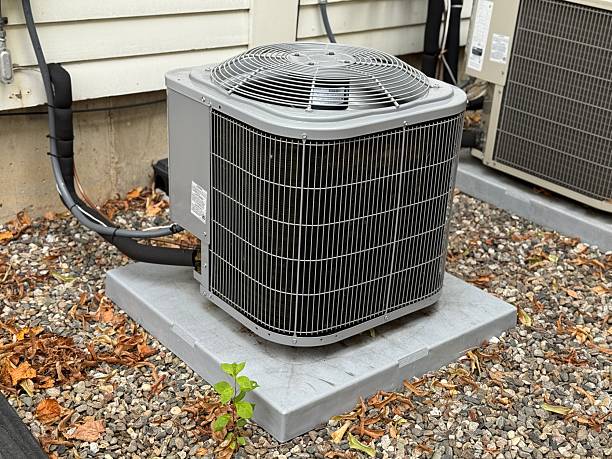
Not every repair call ends in a repair — sometimes the honest recommendation is a properly sized replacement. We walk Ware homeowners through efficiency ratings and how they translate into real monthly savings before a single piece of equipment gets ordered.
Every install ends with a performance test, confirming airflow, temperature split, and refrigerant charge are all where they should be before we consider the job finished.
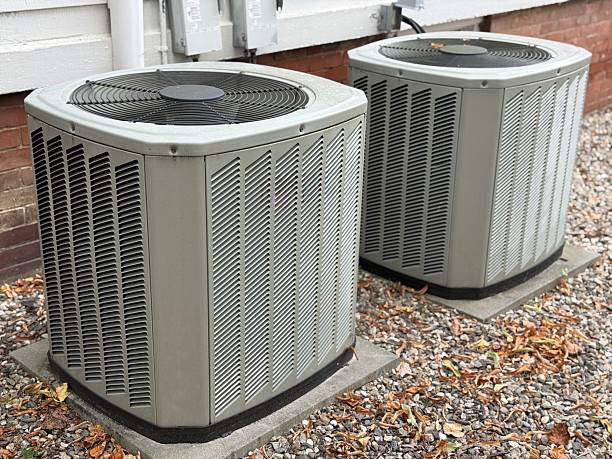
Commercial equipment operates differently than a residential unit, and it needs technicians who actually understand rooftop packages and multi-zone systems. Our commercial division services rooftop units and package systems across Ware, with service agreements built around your operating hours.
We understand that a commercial call isn't just about comfort, it's about keeping a business open.
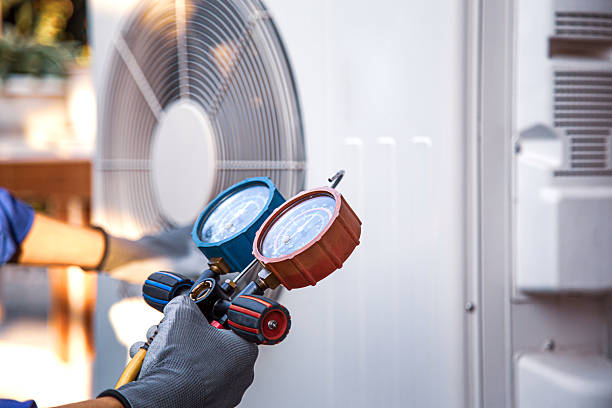
Preventive maintenance is the cheapest repair you'll ever pay for, because it's the one that prevents the bigger bill. Beyond standard tune-ups, we also handle duct cleaning and sealing to stop conditioned air from leaking into attics and crawlspaces for Ware households that want more than just temperature control.
A tune-up typically takes under an hour and covers the checkpoints most likely to catch a problem before it becomes a breakdown.
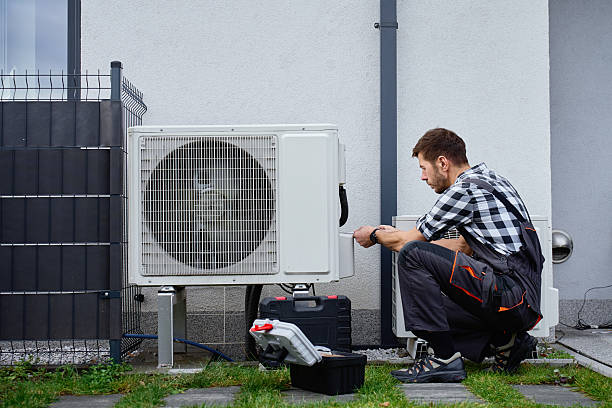
We'd rather set clear expectations upfront than make vague promises we can't back up.
If the same issue returns within the warranty period, we come back and fix it at no additional labor cost.
Emergency dispatch never comes with a hidden surcharge sprung on you after the fact.
A technician doesn't consider the job done until the system is tested and performing correctly.
Most breakdowns don't happen without warning — they announce themselves for weeks before the system actually quits.
Rattling during startup often means a component has worked itself loose and needs tightening before it causes real damage.
If some rooms stay hot or cold no matter what the thermostat says, the system may be struggling to distribute air evenly.
Gradual efficiency loss is easy to miss month to month, but it adds up fast over a season.
A system that won't hold a steady cycle is often fighting a sizing issue, a thermostat problem, or a refrigerant imbalance.
A musty smell often points to mold or moisture buildup somewhere in the ductwork.
We'll always tell you honestly when a repair is the better call versus when it isn't.
You'll know the cost before a wrench touches your system.
Emergency calls get moved to the front of the line automatically.
If something isn't right after we leave, we come back and make it right.
Every technician carries current state licensing and manufacturer training.
You make the final call — we just make sure you have the full picture.
Maintenance plan members get priority scheduling and discounted rates.
A snapshot of the feedback that keeps us accountable.
"I called three other companies first and this was the only one that actually picked up. No pressure to buy a whole new system when a repair was all we needed."
"Signed up for the annual plan after our first repair and it's paid for itself already. Techs are always polite, always on time, and clean up after themselves."
"They handled the whole install in a single day, exactly like they said they would. New system is noticeably quieter and our energy bill actually dropped."
"Our restaurant's rooftop unit went down on a Friday night and they had someone out fast. Now our go-to for every property in the portfolio."
"Got quotes from four different companies for a replacement and this was the only one that actually walked me through the load calculation. Installation crew was in and out in a day and left the space cleaner than they found it."
"The tech walked me through what he was checking as he went, which I really appreciated. Genuinely relieved to have found a crew that answers when it matters."
Understanding what typically fails helps homeowners know what to watch for and when a repair call is worth making before things get worse.
Homeowners who schedule a tune-up ahead of each season tend to call us far less often for emergency repairs. Before the coldest stretch of the year, a heating system benefits from a full safety inspection, checking the heat exchanger, ignition system, and airflow to catch any issue that could turn into a no-heat emergency.
Clearing debris, leaves, and overgrown landscaping away from an outdoor condenser unit gives it room to breathe and keeps it running efficiently. None of this replaces a professional tune-up, but it does reduce the wear that leads to premature breakdowns between visits.
Whether your Ware home has a traditional split system, a ductless mini-split, a heat pump, or a hybrid dual-fuel setup, our crews are equipped to diagnose and repair it. If your system was installed by a different company entirely, that's not a problem — we service equipment regardless of who originally put it in, and we'll pull the model and serial information to confirm parts compatibility before any repair begins.
Every tech on our Ware roster goes through background checks, licensing verification, and ongoing manufacturer training.
Manufacturer-certified across multiple major residential equipment lines.
Keeps the emergency truck stocked based on what actually fails most often locally.
Experienced with the light industrial and retail equipment common across the area.
Standard appointments are usually scheduled within 24-48 hours, while true emergencies jump the queue.
Yes — every job gets a clear quote before any repair work begins, so there are no surprise line items on the invoice.
We staff after-hours dispatch specifically because HVAC failures rarely happen on a convenient schedule.
Yes — licensing and insurance documentation is available on request for any job, residential or commercial.
As a general guideline, if a system is past 12-15 years old and facing a costly repair, replacement often makes more financial sense.
Plan members typically see fewer surprise breakdowns because small issues get caught during routine visits.
If you're unsure whether your address falls in our service area, a quick call to +1-866-805-8548 will confirm it.
Property managers and business owners can request a dedicated point of contact for ongoing service.
Our technicians are trained across the major residential and commercial equipment lines, not limited to a single manufacturer.
Ask about financing during your in-home estimate to see what fits your situation.
Most Ware homes benefit from two tune-ups a year — one before cooling season and one before heating season.
If you smell gas or burning, shut off the system at the breaker and step outside, then call us immediately.
Our pricing is explained clearly before dispatch, and any after-hours consideration is communicated upfront — never as a surprise on the final invoice.
Most standard repairs are completed in under two hours once the technician has diagnosed the issue and you've approved the quote.
Let dispatch know ahead of time if access will be handled differently than a standard homeowner visit.
From the older, established streets near the center of Ware to the newer developments on the outskirts, our trucks cover the full footprint of the city.
Larger properties get the same upfront pricing and licensed technicians as a single-family service call, just coordinated at scale.
We accept standard payment methods for repairs and smaller jobs, and we'll always tell you upfront what a given service is likely to cost so there's no last-minute scramble to figure out payment. If a rebate or local incentive program applies to your Ware installation, our technicians will flag it during the estimate rather than leaving you to track it down after the fact.
Coverage extends across Ware proper and into the nearby zip codes listed below.
If you're on the edge of our listed zip codes, it's still worth a call, since routes and coverage get adjusted as demand shifts.